May 26, 2026
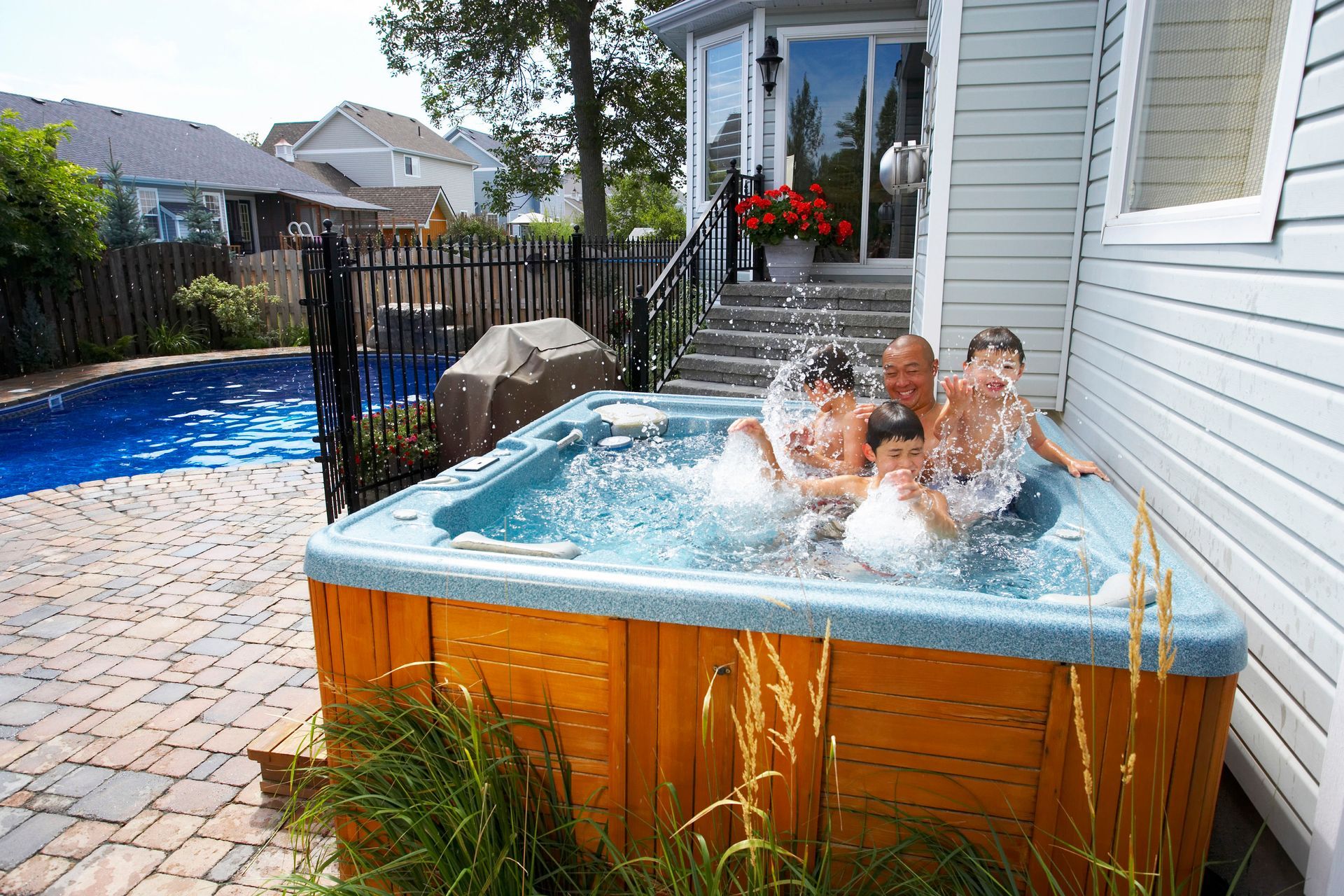
Owning a private spa is an incredible way to introduce relaxation, hydrotherapy, and comfortable entertainment options to your residential property. Soaking in warm water after a long day helps soothe sore muscles, reduces stress levels, and provides an inviting gathering space for family members and guests. However, creating a safe environment around these powerful aquatic amenities requires careful planning, regular maintenance, and a thorough understanding of operational safety guidelines. Prioritizing proactive protection measures ensures that your backyard retreat remains a secure, enjoyable sanctuary rather than a source of unexpected accidents or property damage.
Designing a secure installation involves evaluating how individuals interact with the water, the surrounding structures, and the various devices used to maintain the equipment. Many property owners focus entirely on water chemistry and temperature control while overlooking the physical hazards present in the immediate vicinity of the spa. By taking a comprehensive approach to backyard safety, you can eliminate common risks such as slips, falls, unauthorized access, and structural overloading. This guide outlines the essential factors every homeowner must evaluate to maintain the highest standards of safety around their personal hydrotherapy installation.
1. Evaluating Foundation Support
The immense weight of a fully loaded spa requires a completely stable, engineered foundation that can support the structural stress over extended periods of time. A standard spa can easily weigh several thousand pounds once you account for the weight of the water and the maximum number of adult occupants. Placing this massive weight on an unreinforced surface can cause the earth to shift, leading to cracked shells, warped frames, and severe plumbing leaks. Ensuring your concrete pad or patio is thick enough and properly reinforced with steel rebar is the first step in avoiding catastrophic structural failures.
When choosing to elevate your spa onto a wooden structure, you must follow strict building codes to ensure the safety of everyone on the platform. According to This Old House, a deck that is more than 30 inches above the ground is required to have a guard around the perimeter to keep people from falling from the deck. Beyond installing these necessary perimeters, the underlying joists and support posts must be specifically engineered to handle the concentrated weight of a filled spa rather than just standard foot traffic. Working with licensed professionals to verify the structural capacity of your platform prevents dangerous structural collapses and ensures a secure environment.
2. Restricting Unauthorized Access
Preventing unsupervised children or uninvited guests from entering the water is a primary legal and moral responsibility for every residential spa owner. A heavy, lockable safety cover serves as your primary physical barrier against accidental submersions when the spa is not actively in use. Investing in durable straps and heavy-duty locking mechanisms ensures that strong winds or curious toddlers cannot dislodge the protective shield. Keeping the access keys hidden in a secure location away from the patio ensures that only responsible adults can open the system.
In addition to using a locking cover, surrounding your entire outdoor living area with a secure perimeter fence adds an essential layer of residential protection. Many municipalities require specific self-closing and self-latching gates for properties that feature recreational water installations to prevent community accidents. Installing motion-activated security cameras and audible alarms on exterior doors alerts you instantly if someone approaches the water area without your knowledge. Combining these structural barriers with strict household rules regarding adult supervision creates a reliable defense system that keeps your loved ones perfectly safe.
3. Enhancing Surface Traction
The combination of smooth acrylic surfaces, splashing water, and bare feet creates a high-risk environment for slips and serious impact injuries. The areas immediately surrounding the spa entry point receive constant moisture, which can make wood, tile, or concrete surfaces incredibly slick. Installing specialized slip-resistant mats or textured outdoor carpeting along the primary walking paths helps individuals maintain their footing as they exit the water. Keeping the surrounding pathways clear of algae growth, standing water, and organic debris further reduces the likelihood of a dangerous fall.
The actual physical transition into and out of the elevated shell demands stable structural support to help users maintain their balance. Sturdy, weather-resistant stairs equipped with non-slip treads should always be positioned securely against the side of the cabinet. Integrating specialized hot tub accessories like heavy-duty grab bars that bolt directly into the spa framework provides a reliable handhold for bathers of all ages. These physical modifications are especially helpful for elderly users or individuals with limited mobility, ensuring everyone can enjoy the therapeutic water without risking a balance disaster.
4. Managing Electrical Connections
The intersection of high voltage electricity and large volumes of water requires flawless adherence to national and local electrical safety codes. A dedicated circuit breaker equipped with a ground fault circuit interrupter must be installed to protect bathers from lethal electrical shocks. This safety device monitors the current flow continuously and shuts off the power instantly if it detects any dangerous electrical leakage. Positioning the main emergency disconnect switch within clear sight of the water, yet far enough away that a bather cannot touch it while wet, is a critical safety requirement.
Homeowners must also ensure that no standard electrical outlets, corded appliances, extension cords, or overhead power lines are located near the water perimeter. Using battery-powered entertainment devices or low-voltage lighting systems eliminates the risk of accidental electrocution during your relaxation sessions. Regularly inspecting the external wiring conduits for signs of weather damage, pest chewing, or loose connections prevents hazardous electrical shorts. Relying exclusively on certified technicians to handle your initial installation and subsequent electrical maintenance guarantees that your system remains completely safe and compliant.
5. Utilizing Proper Equipment
The devices and add-ons you choose to enhance your spa experience play a significant role in maintaining a secure and functional outdoor environment. Using generic or makeshift items around a heated, chemically treated pool can lead to quick structural failures and physical injuries. Selecting specialized hot tub accessories that are engineered specifically to withstand continuous moisture and ultraviolet exposure ensures long-term reliability. Items like custom-fit cover lifters prevent physical back strain and keep the heavy cover from falling onto occupants during entry.
Furthermore, utilizing appropriate floating dispensers, waterproof digital thermometers, and dedicated cleaning tools keeps your maintenance routine safe and simple. Illumination tools designed for underwater use ensure that the steps and seating contours remain completely visible during nighttime soaking sessions, preventing missteps. Storing these various tools and accessories in a weatherproof storage bench keeps your patio clear of tripping hazards while protecting the items from environmental degradation. Investing in purpose-built add-ons streamlines your operational routine while supporting the broader safety protocols of your backyard resort.
6. Monitoring Water Variables
Maintaining absolute control over the physical properties of the water is essential for preventing biological illnesses and physical distress during a soak. High water temperatures accelerate the growth of harmful bacteria and pathogens, requiring diligent testing of sanitizer levels multiple times each week. Utilizing appropriate testing strips allows you to monitor and adjust chlorine, bromine, and alkalinity levels to ensure the environment remains thoroughly sanitized. Neglecting this chemical balancing routine can lead to severe skin irritations, respiratory issues, and painful ear infections for your guests.
The internal temperature of the water must also be regulated carefully to avoid dangerous health complications like hyperthermia, dizziness, and fainting. Adults should limit their soaking sessions to reasonable timeframes and stay well hydrated with water rather than consuming dehydrating alcoholic beverages while in the spa. Pregnant individuals, young children, and anyone with underlying cardiovascular conditions should consult a medical professional before utilizing heated therapeutic pools.
Creating a perfectly secure backyard oasis requires a thorough combination of structural engineering, physical barriers, electrical precision, and reliable maintenance habits. By addressing foundation support, restricting unauthorized access, enhancing traction, protecting electrical networks, and using specialized hot tub accessories, you can confidently eliminate common backyard hazards. When you are ready to upgrade your outdoor living space with a flawlessly engineered structure designed for maximum safety and enjoyment, contact All American Decks & Spas to schedule your initial consultation.